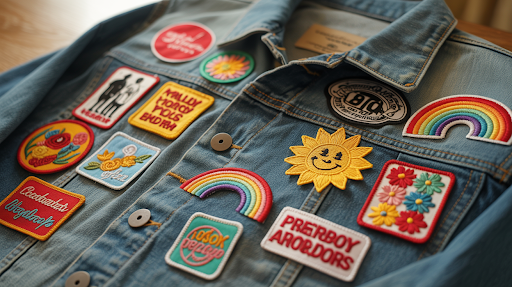
There’s a moment every Canadian brand hits, that “okay, we need to stop looking basic” moment. Maybe your team uniform doesn’t… uniform. Maybe your merch looks like everyone else’s on Queen Street. Or maybe your startup wants to look legit without blowing the Q1 budget. That’s usually when iron-on custom patches slide into the chat like, “Buddy… I got you.”
And honestly? They do. Iron-on patches are the fastest, cleanest, most drama-free way to upgrade apparel, accessories, and branded gear. No needles. No sewing struggles. No asking your aunt who “used to sew a little in the ’90s.” Just heat, press, flex.
And if you’re in Canada, the iron-on patch game hits differently. We’re talking weather-resistant adhesives, premium threads, eco-friendly options, and the kind of durability that survives Toronto humidity and Vancouver rain cycles.
Welcome to the most Canadian deep dive you’ll read today, your full, sass-infused guide to iron-on custom patches.
Why Iron-On Custom Patches Are Canada’s Favourite Low-Effort Glow-Up
Iron-on patches sit at the sweet spot between convenience and quality. They look high-end, last ages, and don’t require a sewing machine lurking in your basement. Here’s why Canadian businesses swear by them:
1. Zero-skill application (finally something that doesn’t require a YouTube tutorial)
All you need is an iron or a heat press. Maybe a towel. Maybe a little patience. That’s it. Uniforms and merch go from “meh” to “oh damn” with minimal effort.
2. They look like premium embroidery, without the premium hassle
Because the patch is applied on top rather than stitched into the fabric, it gives a 3D, textured look that brands love.
3. Bulk-ready, budget-friendly, brand-approved
Startups, cafés, sports clubs, breweries, construction companies, nonprofits, everyone uses them because they:
- save time
- stay consistent
- look pro on every fabric
And they’re perfect for merch drops because the pricing doesn’t climb like a Toronto condo mortgage.
4. They stay on, like, Canadian winter stay-on
Modern iron-on backing is engineered for:
- cotton
- denim
- polyester
- canvas
- jackets, bags, caps, hoodies, and everything in between
Once they bond, they’re not going anywhere unless you want them to.
But First… What Makes a Good Iron-On Patch?
If you’re ordering custom patches, don’t settle for the dollar-store version of quality. Real iron-on patches have:
Heat-activated adhesive (NOT the cheap peeling stuff)
This adhesive melts when heated and locks into your fabric fibers.
Heavy embroidery and clean edges
Fraying? Not on our watch.
High-res detailing
If the patch can’t display a tiny maple leaf or small text, drop that supplier faster than a Tim Hortons cup blows in prairie wind.
Proper backing according to fabric type
Denim and canvas? Easy.
Polyester? Needs lower heat.
Nylon? A different approach entirely.
A good supplier (hi, Eagle Patches Canada) will guide you based on your apparel type.
Types of Iron-On Custom Patches You Can Order
Iron-on isn’t a design, it’s a backing. You can turn nearly any patch style into an iron-on.
1. Embroidered Patches
Classic, textured, timeless. Great for logos.
2. Woven Patches
Clean, sharp, extremely detailed, great for complex art.
3. PVC Iron-On Patches
Yes, PVC can be made iron-on with special adhesive. Weatherproof, durable, modern.
4. Chenille Iron-On Patches
Varsity jacket vibes. Very Canadian-campus-core.
5. Printed/Sublimated Iron-On Patches
Perfect for gradients, photos, and multicolour art. Basically, if you can dream it, it can probably become a patch, with iron-on backing added.
How to Apply Iron-On Patches (Without Ruining Your Shirt)
The steps are simple, but a few Canadian-specific tips make all the difference:
Step 1: Heat your iron to 275–300°F
Or medium-high if your iron doesn’t bother with numbers.
Step 2: Place the patch
Sticky/adhesive side down.
Step 3: Cover it with a cloth or parchment
Prevents scorching, especially on polyester.
Step 4: Press for 20–25 seconds
Apply pressure like you’re flattening out a rolled-up rim from your Tims cup.
Step 5: Flip the fabric & press from the backside
This ensures a deep bond.
Step 6: Let it cool
The adhesive sets as it cools, don’t peel or tug.
If you’re new to custom patches, you’ll love this breakdown: A Complete Canadian Guide to Custom Patches (2025 Update), it covers patch types, sizes, pricing and everything else you might want to know before choosing iron-ons.
Where Iron-On Custom Patches Work Best in Canada
Let’s talk about real-life use cases, Canadian edition.
Corporate uniforms that need instant professionalism
Add your logo to shirts, jackets, aprons, and caps without reprinting fresh garments every season.
Apparel brands doing small-batch drops
Streetwear labels and small merch brands use iron-ons to deliver premium embroidered looks without committing to massive MOQ embroidery runs.
Schools & sports teams
Scouts, hockey teams, marching bands—iron-on patches keep everyone looking sharp.
Special event branding
Festivals, charity runs, pop-up markets—iron-ons make branding easy, quick, and affordable.
Workwear
Construction crews, electricians, movers, patches stay on tough fabrics, even during rough Canadian workdays.
Heat Press vs. Iron (The Canadian Showdown)
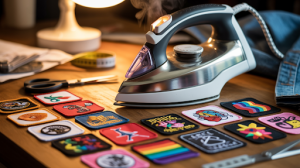
Every Canadian business that starts using custom patches ends up asking the same question: “Do we really need a heat press, or is my iron enough?” Here’s the truth, your iron is great, but your heat press is elite.
Using an Iron
Good for:
- small batches
- home application
- uniforms with simple placements
- smooooth fabrics
Limitations:
- uneven heat
- inconsistent pressure
- slower application
- not ideal for big logos
And if your iron is older than your loyalty card at Tims… good luck getting consistent bonding.
Using a Heat Press
Perfect for:
- businesses
- merch brands
- event organizers
- teams ordering in bulk
- thick materials like hoodies & jackets
Advantages:
- stable temperature
- controlled pressure
- fast turnaround
- commercial-grade bonding
If you ever plan on doing 20+ pieces at a time, the heat press is basically your new bestie. Or, better idea, just let Eagle Patches Canada handle it. No equipment needed, no scorching, no swearing at your ironing board.
How Long Do They Actually Last in Canada?
Here’s the good news: Properly applied iron-on embroidered patches last years, even with Canadian-level weather chaos. We’re talking:
- snow
- rain
- summer heat waves
- rink-side humidity
- washer-dryer cycles
- heavy workwear usage
But how long they last depends on 3 things:
1. Fabric Choice
Cotton, canvas, denim = elite bonding.
Polyester = gentler heat needed.
Nylon = iron-on works only with special adhesive.
If durability is priority, choose a thicker fabric.
2. Application Temperature
Under-heating = weak bond.
Overheating = damaged adhesive.
Canadian rule of thumb: 275–300°F for cotton, 250–270°F for synthetics.
3. Reinforcement (Optional but A1)
Sew around the edges if it’s:
- a work jacket
- a snowboarding bag
- a hockey gear bag
- anything you toss around like your ex’s hoodie
Think of it like adding winter tires, extra protection never hurts.
When You Shouldn’t Use Iron-On Backing (Yes, Sometimes It’s Not Ideal)
Even though iron-on is the MVP for most brands, there are a few scenarios where sew-on or Velcro is actually better:
- high-heat industrial washing
- firefighter or welding uniforms
- textured fleece
- nylon gear (unless using special adhesives)
- patches that need to be swapped out often
When in doubt? Ask. Eagle Patches Canada literally deals with this every day.
Before you decide whether iron-on is your final answer, here’s something handy: Canada’s Go-To-Guide to Every Custom Patch Type You Can Get. It breaks down embroidered, woven, PVC, chenille, printed, leather, and more. Perfect if you want to compare iron-on backing to other options.
FAQs
1. Do iron-on custom patches work on all fabrics?
They work best on cotton, canvas, denim, and poly blends. Nylon and textured materials may require special adhesives or sewing.
2. How long do iron-on patches last?
Years, especially when applied with proper heat and pressure. Sewing the edges extends longevity.
3. Can iron-on patches survive Canadian winters?
Absolutely. The adhesive is designed to withstand cold, moisture, and even frequent washing.
4. Can I order iron-on patches with complex designs?
Yes. Woven and printed patches are great for detailed art or small text.
5. Do iron-on patches damage clothes?
Not when applied correctly. Use a cloth barrier and correct temperature for your fabric type.
Ready to Upgrade Your Brand the Smart Way?
If your apparel, uniforms, or merch have been looking a little “pre-makeover reality show contestant,” iron-on custom patches are the upgrade you’ve been waiting for.
They’re affordable. They’re durable. They’re ridiculously easy. And they make your brand look like it hired a creative director overnight.
If you want patches that outlast Canadian weather, everyday wear, and the washing machine you’ve been threatening to replace since 2021, Eagle Patches Canada is where your order needs to go.
Your brand deserves to look this good. Your team deserves gear they’re proud to wear. Your customers deserve merch that doesn’t fall apart by month two.