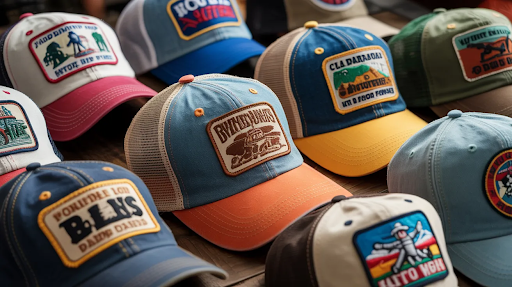
If hats are wearable billboards, then a patch is your logo’s permanent lease agreement. Iron-on is great when you need fast. But when you need “this cap is going to survive a full season, a few road trips, and someone stuffing it in a gym bag,” stitching wins every time.
This guide is all about sew-on patches on hats. No fluff, no craft-blog fairy dust. Just practical steps that businesses, teams, and brands in Canada can actually use, whether you are prepping staff caps, sports team hats, merch drops, or event headwear.
For a deeper breakdown on sew-on patch basics before we get into hats specifically, this “All You Need to Know About Sew-on Patches in Canada” one pairs perfectly with today’s guide!
Why Sew-On Patches on Hats Are Worth It for Brands
Sewing a patch onto a cap takes a little more effort up front, but it pays off in durability and appearance.
They last longer than heat-only methods
Hats curve, flex, and get grabbed by the brim constantly. Stitching keeps the patch secure through wear, sweat, and everyday handling.
They look more premium
A clean stitch line around embroidered patches or woven badges gives a finished, professional look that screams “official merch,” not “weekend DIY.”
They work on more materials
Structured caps, mesh trucker hats, and thicker hat panels can be tricky for heat application. Sew-on works on almost everything.
They make bulk branding easier
For teams and businesses ordering hats in batches, sew-on is the best way to keep branding consistent and durable across the entire run.
Patch Types That Work Best on Hats
You can sew almost any patch type onto a cap, but some are easier and cleaner than others.
Sew-on embroidered hat patches
Classic choice. Sew-on embroidered hat patches look premium and hold up well. Great for bold logos and team crests.
Sew-on woven patches
Perfect for fine details and small text. Woven patches sit flatter and give a crisp finish on caps.
Sew-on leather patches
Very popular on caps and toques for lifestyle brands. Leather gives a clean, premium look without being loud.
Sew-on PVC patches
PVC is durable and great for outdoor teams, work crews, and sports programs that live in rough weather.
Sew-on chenille and applique patches
These are thicker, but they look amazing for varsity style caps. You just need the right needle and a steady stitch.
Sew-on sublimated patches
Great when you need full colour graphics. Stitching keeps them secure, especially on curved hat panels.
Sew-on 3D embroidery patches
Raised designs can look unreal on caps. Sewing keeps edges clean and prevents lifting over time.
Tools You Need Before You Start
You do not need a full tailoring studio. Just the essentials.
- Needle suited for thicker fabric
- Strong thread in a matching colour
- Thimble if the hat is structured or thick
- Fabric clips or pins for positioning
- Small scissors
- Optional, curved needle for easier stitching on caps
If you are doing dozens of hats for a business or team, a basic sewing machine can speed things up. But hand stitching still works and often gives better control on curved surfaces.
Step by Step How to Sew-On Patches on Hats and Caps
Step 1: Pick the placement that makes sense
Most custom patches go on the front panel, side panel, or above the back strap. Avoid thick seams when possible. Seams create bumps and make stitches uneven.
For brands, consistent placement matters. Your merch looks more premium when every hat is aligned the same way.
Step 2: Shape the hat so it is easy to stitch
Stuff the hat with a towel so it holds its shape and stays firm. A firm surface makes stitching cleaner and prevents puckering.
Step 3: Secure the patch in place
Use fabric clips or a few temporary pins. If the hat is structured, pins can be tricky, so clips are safer. Make sure the patch sits flat and centred.
Step 4: Choose your stitch style
For hats, two stitch styles are the most practical.
Whip stitch
Fast, durable, and great for thicker patches like embroidered, chenille, and PVC.
Running stitch
Cleaner look for flatter patches like woven or sublimated, especially if you want a subtle stitch line.
Step 5: Stitch slowly and keep tension even
Start from the inside of the hat if possible, then work around the patch edge. Pull the thread snug, but not so tight that the hat panel puckers.
Pro tip: Do not rush the corners. Corners and curves are where patches start to lift if stitching is sloppy.
Step 6: Double secure stress points
On caps, the bottom edge of the patch takes the most friction from handling and flexing. Add a few extra stitches there.
Step 7: Tie off cleanly and hide the knot
Finish with a strong knot on the inside. Trim thread cleanly. If it is a staff cap or merch item, a tidy inside finish matters more than people think.
Tips for Different Hat Types
Structured caps
Structured hats are stiff and harder to push a needle through. Use a thimble and consider a stronger needle. Take your time.
Mesh trucker hats
Avoid stitching through the mesh area if possible. Place patches on the front panel. If you must stitch near mesh, be gentle to avoid tearing.
Beanies and toques
Toques stretch. Use a flexible stitch and avoid pulling thread too tight. Leather patches look especially clean here.
Sports team caps
These get sweaty and get tossed around. Strong thread and extra stitches on stress points help patches survive a full season.
Why Businesses and Teams Choose Sew-On Over Iron-On for Caps
If you are running a program or a merch line, you care about repeat wear. Sew-on gives you that.
- Better for frequent use and washing
- Better on curved hat panels
- Better long-term durability
- Better for premium brand presentation
If you are still deciding what patch type and backing to order for your hats, it also helps to know where to get patches made reliably in Canada: Where Can I Get Custom Patches Made in Canada?
Quick Table for Choosing Patch and Stitch Combo
| Patch type | Best hat use | Stitch style |
| Embroidered patches | Team crests and logos | Whip stitch |
| Woven patches | Fine detail and small text | Running stitch |
| Leather patches | Premium merch and toques | Running stitch |
| PVC patches | Outdoor crews and rugged gear | Whip stitch |
| Chenille patches | Varsity style caps | Whip stitch |
| Sublimated patches | Full colour graphics | Running stitch |
| 3D embroidery patches | Bold caps and merch drops | Whip stitch |
FAQs
Are sew-on patches on hats better than iron-on patches?
For durability, yes. Sew-on patches on hats hold up better on curved panels and heavy wear, especially for teams and businesses.
Can I sew embroidered patches onto a cap by hand?
Yes. Use a strong needle and thread, and a thimble if the cap is structured. A whip stitch works great for embroidered patches.
How do I keep the patch centred on the hat?
Mark the centre line lightly, stuff the hat to keep it firm, and secure the patch with clips before stitching.
What thread should I use for hat patches?
Use strong polyester thread in a matching colour. It handles wear and tension better than weak cotton thread.
Will sewing damage the hat?
Not if done properly. Avoid over-pulling thread, and do not stitch through areas that can tear easily, like mesh.
Stitch It Once, Wear It Forever!
If your hat is part of your brand, your team identity, or your business uniform, you want it to last. Sew-on patches on hats are the most reliable way to keep your patch secure, clean, and professional, no matter how many road trips, workdays, or tournaments that cap goes through.
If you need custom patches made for caps, beanies, or team hats, Eagle Patches CA can help you choose the right patch type, size, and finish for your exact use. Share your logo, tell us what hats you are using, and we’ll help you create patches that look sharp and stay put.